
Virtual reality has moved beyond science fiction, yet many players still struggle to understand how deeply it could reshape entertainment. Traditional gaming experiences increasingly feel limited compared to the immersive possibilities emerging through modern VR technology.
Gaming companies now compete to create experiences that feel more physical, emotional, and socially connected. This shift is changing not only how games are played, but also how audiences interact with digital worlds and online communities.
Many people still associate virtual reality with expensive headsets and experimental demos from previous years. However, current improvements in hardware, software optimization, and accessibility are pushing VR closer toward mainstream entertainment adoption.
At the same time, developers face serious challenges involving motion sickness, accessibility limitations, and high production costs. Understanding these obstacles helps explain why VR adoption remains slower than many early predictions suggested several years ago.
The future of interactive entertainment depends on how effectively companies balance immersion, affordability, comfort, and meaningful content. Exploring these changes carefully reveals why virtual reality could eventually influence far more than gaming alone.
How Virtual Reality Changed Gaming Expectations
Virtual reality introduced a new standard for immersion by allowing players to physically interact with digital environments. Unlike traditional gaming, VR experiences rely heavily on movement, spatial awareness, and sensory engagement to create stronger emotional connections.
This transformation changed what many players expect from modern entertainment products and interactive storytelling. Gamers increasingly look for experiences that feel personal, reactive, and physically engaging instead of purely visual or mechanically repetitive activities.
Developers also discovered that immersion influences player behavior in surprisingly powerful ways during gameplay sessions. People often react emotionally to virtual heights, social encounters, and environmental dangers despite fully understanding those situations are artificial simulations.
The rise of presence technology created new design priorities that traditional games rarely needed to address before. Developers must now carefully consider player comfort, body movement, physical fatigue, and emotional intensity throughout extended virtual experiences.
Another major shift involves the growing importance of environmental storytelling inside interactive worlds and simulations. Players naturally explore spaces more slowly within VR environments, which encourages developers to focus heavily on atmosphere, sound design, and realistic environmental details.
Many studios initially underestimated how different virtual reality development would become compared with standard console production. Mechanics that function perfectly on flat screens may feel frustrating, confusing, or physically uncomfortable when translated into immersive environments.
As a result, interactive realism became both a creative opportunity and a development challenge for modern studios. Companies capable of balancing immersion with comfort often achieve stronger player retention and more meaningful long-term audience engagement.
Why Immersion Creates Stronger Emotional Engagement
One reason virtual reality attracts attention involves its ability to simulate emotional closeness and physical participation. Research from the Stanford Virtual Human Interaction Lab demonstrates how immersive environments significantly influence perception, empathy, and behavioral responses during digital interactions.
Traditional games usually separate players from the action through screens, controllers, and passive observation mechanics. In contrast, immersive environments create stronger emotional investment because players feel physically present inside unfolding virtual situations and interactive narratives.
This emotional intensity changes how horror, adventure, simulation, and educational experiences affect audiences psychologically over time. Fear feels more immediate, exploration feels more rewarding, and social interactions often appear more authentic within highly immersive digital spaces.
Developers increasingly use spatial audio systems and advanced environmental feedback to strengthen realism and emotional immersion further. Small details like directional sound, realistic echoes, and environmental vibrations significantly improve the sensation of physical presence inside virtual worlds.
The effect extends beyond entertainment and influences communication, collaboration, and virtual socialization between users globally. Multiplayer VR environments often encourage more natural conversation patterns because players interpret gestures, movement, and proximity similarly to real-world interactions.
However, stronger immersion also creates psychological challenges that developers and researchers continue studying carefully today. Extended sessions inside emotionally intense environments may increase mental fatigue, sensory overstimulation, or discomfort for certain players over longer periods.
Understanding these emotional effects remains essential because behavioral immersion will likely influence future entertainment industries broadly. Streaming platforms, educational simulations, and digital social spaces increasingly borrow design principles originally developed within immersive gaming environments.
The Technology Behind Modern VR Progress
Modern virtual reality systems improved dramatically because hardware limitations gradually became less restrictive for developers and consumers. Faster processors, lighter headsets, and improved motion tracking helped reduce technical barriers that previously discouraged widespread adoption among mainstream audiences.
Early VR systems struggled with latency problems that caused motion sickness and severe player discomfort during movement. According to research published through the National Institutes of Health, reducing visual delay remains essential for improving comfort and long-term usability in immersive systems.
Today, motion tracking systems operate with much greater precision and lower response times during active gameplay. Players can move naturally, interact physically with objects, and maintain immersion without experiencing the same level of disorientation common in earlier hardware generations.
Wireless technology also changed how players engage with immersive entertainment products and multiplayer experiences at home. Removing cables improved freedom of movement significantly while reducing physical limitations that previously interrupted immersion during longer gaming sessions.
The following table highlights several important technological improvements influencing modern VR development and adoption trends today.
| Technology Area | Earlier Limitation | Current Improvement | Practical Impact |
|---|---|---|---|
| Motion Tracking | Delayed responses | Faster precision sensors | Reduced motion sickness |
| Headset Design | Heavy equipment | Lightweight materials | Longer comfortable sessions |
| Visual Resolution | Blurry environments | Sharper displays | Improved realism |
| Connectivity | Wired restrictions | Wireless gameplay | Greater movement freedom |
Another important advancement involves haptic feedback technology, which simulates physical sensations during gameplay interactions. Vibrations, resistance, and touch simulation help players feel connected to virtual objects, improving realism and emotional engagement simultaneously.
These improvements collectively explain why VR now appears more commercially viable than previous technology cycles and experiments. Hardware progress alone cannot guarantee success, but it removes many obstacles that historically prevented broader consumer acceptance and sustained long-term engagement.
Common Misunderstandings About Virtual Reality
Many consumers still believe virtual reality remains a temporary trend rather than a meaningful technological evolution within entertainment. This misunderstanding often comes from early experiences involving limited software libraries, uncomfortable hardware, and unrealistic marketing expectations surrounding VR adoption.
Another misconception involves the belief that VR only benefits hardcore gamers or highly technical audiences seeking novelty. In reality, accessible VR applications increasingly target casual entertainment, fitness activities, collaborative learning, and social interaction among broader demographic groups worldwide.
People also assume that better graphics automatically create better immersive experiences for players using virtual environments. However, gameplay responsiveness, comfort optimization, and intuitive interaction design often matter more than visual fidelity during extended VR sessions and interactive storytelling experiences.
Industry analysis from the International Data Corporation suggests that affordability and content diversity influence adoption more strongly than graphical performance alone. Consumers usually prioritize convenience, meaningful experiences, and practical value before investing heavily in emerging entertainment technologies.
Another overlooked issue involves the physical demands associated with immersive gaming compared with traditional entertainment consumption habits. VR often requires standing movement, physical interaction, and spatial awareness, which can create fatigue during lengthy gameplay sessions or social experiences.
Some developers mistakenly focus excessively on technological spectacle while neglecting meaningful gameplay design and emotional storytelling principles. Content quality ultimately determines whether players remain engaged long after the novelty of immersion begins fading from the overall experience.
Understanding these misconceptions helps explain why the future of virtual reality depends heavily on thoughtful execution and accessibility. Technology alone rarely transforms industries permanently unless it solves meaningful problems and improves user experiences consistently across different entertainment categories.
How VR Could Reshape Interactive Entertainment Beyond Gaming
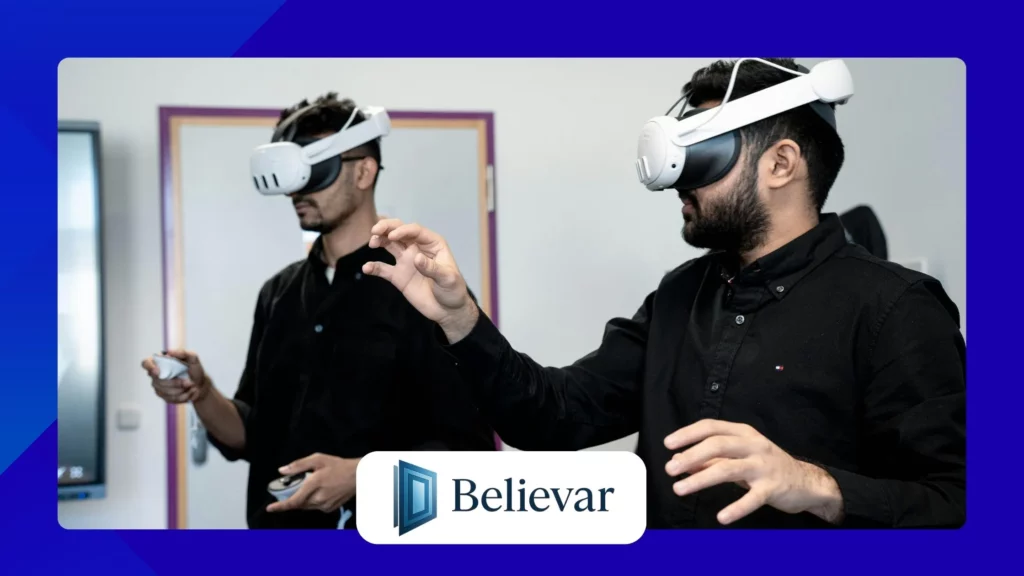
Virtual reality already influences industries beyond gaming, particularly entertainment sectors focused on audience participation and immersion. Concerts, live performances, and digital events increasingly experiment with virtual participation systems that allow audiences to experience events remotely yet interactively.
Film studios and streaming platforms have started exploring immersive cinematic experiences designed specifically for VR audiences and environments. These projects remain experimental today, but they reveal growing interest in interactive cinema as a potential entertainment category for future digital consumers.
Education and professional training also benefit from immersive simulation systems developed originally for gaming technologies and mechanics. Medical students, engineers, and pilots increasingly use realistic simulations to practice complex procedures within controlled virtual environments before real-world application begins.
Social interaction inside virtual spaces may eventually become one of the most influential aspects of immersive entertainment growth globally. Many younger users already value digital identity, avatar expression, and online social environments as important extensions of everyday communication and entertainment habits.
However, privacy concerns and psychological effects continue raising important ethical questions regarding long-term immersive technology usage patterns. Companies must carefully balance innovation with responsible design to avoid creating environments that negatively affect mental health, behavior, or social relationships over time.
The broader impact of immersive digital ecosystems could reshape how people experience entertainment, communication, and online identity simultaneously. Understanding these wider implications helps explain why virtual reality represents more than simply another gaming hardware category competing for consumer attention.
+ How Streaming Platforms Are Changing the Way We Experience Movies
Practical Challenges Slowing Mass Adoption
Despite impressive technological progress, several practical challenges continue limiting broader virtual reality adoption among mainstream audiences globally. High hardware costs remain a major obstacle because complete VR setups often require expensive headsets, accessories, and powerful computing systems simultaneously.
Comfort issues also discourage many first-time users from continuing immersive gaming experiences for extended periods regularly. Motion sickness symptoms still affect certain players, particularly during fast movement, unstable frame rates, or poorly optimized virtual environments and gameplay mechanics.
Developers face difficult financial decisions because VR production requires specialized design approaches and extensive technical optimization processes. Creating immersive interactions often demands additional resources, testing procedures, and hardware compatibility adjustments compared with conventional game development practices.
Another challenge involves limited software ecosystems that sometimes fail to justify expensive hardware investments for average consumers. Players usually adopt new platforms only when compelling content libraries provide enough variety, quality, and long-term entertainment value to support purchasing decisions.
Accessibility concerns also remain important because certain physical limitations can reduce usability for many potential users significantly. Companies increasingly recognize the need for inclusive VR design that supports different mobility levels, comfort preferences, and sensory accessibility requirements effectively.
The following practical strategies currently help improve user experiences and encourage stronger long-term adoption rates:
- Reducing headset weight and improving ergonomic comfort
- Expanding affordable entry-level VR systems
- Designing shorter sessions for reduced fatigue
- Improving accessibility features and customization options
Addressing these issues carefully will likely determine whether VR becomes a mainstream entertainment standard or a specialized niche. Technology adoption rarely depends entirely on innovation because convenience, comfort, and affordability strongly influence long-term consumer behavior patterns.
+ Interactive Storytelling and Choose-Your-Own-Adventure Apps
Frequently Asked Questions About Virtual Reality
Is virtual reality only useful for gaming?
No. Virtual reality increasingly supports education, healthcare training, architecture visualization, remote collaboration, fitness programs, and digital social experiences beyond entertainment applications and traditional gaming environments.
Will VR replace traditional gaming completely?
Traditional gaming will likely remain important because many players still prefer convenience and accessibility. Virtual reality may expand entertainment options rather than fully replacing consoles, computers, or mobile gaming platforms.
Are VR headsets becoming more affordable?
Yes. Competition and manufacturing improvements gradually reduce costs while expanding entry-level options for consumers. However, high-performance systems still remain relatively expensive for many households worldwide today.
What types of games work best in virtual reality?
Simulation, horror, rhythm, fitness, exploration, and social interaction games often perform especially well within immersive environments because they benefit strongly from physical interaction and environmental presence.
Does VR require powerful computers to function properly?
Some standalone headsets operate independently without gaming computers, while advanced systems still require powerful hardware for high-quality performance, detailed graphics, and smoother immersive experiences during gameplay.
Could VR affect social behavior in the future?
Potentially. Immersive communication tools may influence how people interact online, form digital communities, and express identity within virtual environments over the coming years and evolving entertainment ecosystems.
Conclusion
Virtual reality represents a significant shift in how people may experience gaming and interactive entertainment during the coming decades. Its influence extends beyond visual technology because immersion changes emotional engagement, player behavior, storytelling methods, and digital social interaction simultaneously.
The future of VR depends less on marketing excitement and more on solving practical user concerns responsibly and consistently. Comfort, affordability, accessibility, and meaningful content will ultimately determine whether immersive entertainment becomes a permanent mainstream experience for global audiences.
Although challenges remain, the steady improvement of hardware, software, and interactive design continues strengthening virtual reality’s long-term potential. Understanding both the opportunities and limitations surrounding VR helps consumers approach emerging technologies with realistic expectations and informed curiosity.
As entertainment evolves, virtual reality will likely continue influencing how people connect with digital worlds and each other. Following these developments carefully provides valuable insight into the future relationship between technology, creativity, and human interaction across modern entertainment industries.