The way people watch movies has shifted dramatically in recent years, creating both convenience and confusion about what the true movie experience should feel like today.
Not long ago, watching a film meant planning a trip, buying a ticket, and sitting in a dark theater among strangers. Now, that ritual competes with instant access from a couch, often changing how stories are perceived.
This transformation didn’t happen overnight, and many viewers still underestimate how deeply streaming has altered habits, expectations, and even emotional engagement with films.
Understanding these changes is important, not just for entertainment, but for recognizing how technology shapes attention, culture, and decision-making in everyday life.
This article explores how streaming platforms are redefining movie experiences, what that means in practice, and how viewers can adapt without losing the richness cinema once offered.
The Shift from Event to Everyday Consumption
The traditional movie experience was once an intentional event, requiring time, effort, and anticipation before the film even began. That preparation created a mental commitment, making viewers more receptive and focused during the story.
Streaming platforms transformed movies into an on-demand activity, removing the need for planning and reducing friction between desire and action. While convenient, this shift often lowers emotional investment and reduces the sense of occasion.
When watching becomes effortless, it also becomes easier to interrupt, pause, or abandon a film halfway through. This directly impacts how deeply viewers engage with narratives and characters over time.
Another consequence is the normalization of multitasking during movies, where people scroll on phones or handle other tasks while watching. This fragmented attention changes how stories are absorbed and remembered.
Many people assume convenience improves the experience, but it often replaces immersion with accessibility. The result is a more casual relationship with films, where fewer moments feel memorable or impactful.
Over time, this shift influences expectations, making slower or more complex films feel “boring” simply because they demand sustained focus. That expectation shapes what kinds of movies get produced.
Recognizing this change is essential because it explains why some viewers feel less emotionally connected to films, even when the content itself remains high quality.
How Algorithms Influence What We Watch
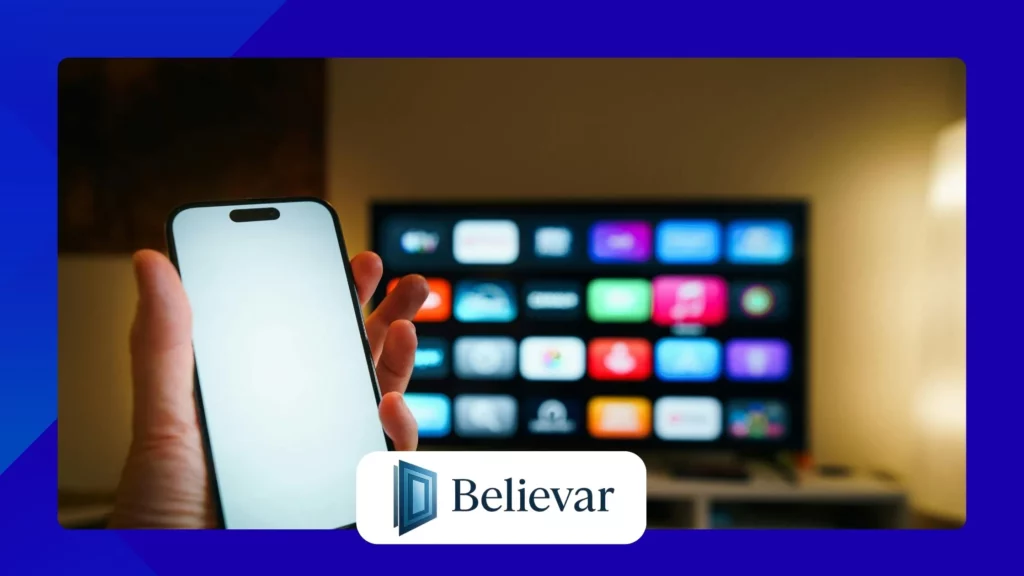
Streaming platforms rely heavily on algorithmic recommendations, which shape viewing choices more than many people realize. These systems analyze behavior patterns to predict what users are likely to watch next.
Instead of browsing freely, viewers are guided by curated suggestions, often limiting exposure to unfamiliar genres or styles. This creates a comfort loop that reinforces existing preferences.
According to research shared by Stanford University, algorithms can subtly narrow choices over time, even when they appear to offer variety.
This leads to a phenomenon known as content bubble formation, where users repeatedly see similar types of movies. While this feels personalized, it reduces discovery and creative exploration.
Many viewers misunderstand this system, assuming recommendations are neutral or purely helpful. In reality, they are designed to maximize engagement, not necessarily broaden perspective.
The consequence is a gradual homogenization of viewing habits, where people miss out on diverse storytelling that doesn’t fit their established profile.
To counter this, viewers need to actively search beyond recommendations, exploring categories or titles that algorithms wouldn’t normally surface.
The Rise of Binge-Watching Culture
One of the most visible changes brought by streaming is the rise of binge-watching behavior, where viewers consume multiple episodes or films in a single sitting.
This habit alters the rhythm of storytelling, as creators now anticipate audiences watching content in extended sessions rather than spaced intervals.
Research from Harvard Medical School suggests binge-watching can affect attention spans and emotional processing, especially when done frequently.
Instead of reflecting between episodes or films, viewers move quickly from one narrative to another, reducing the time needed for emotional digestion.
This creates a paradox where more content is consumed, but less is deeply experienced. The memory of individual films can blur together over time.
Another impact is the expectation of instant gratification, where slow-building plots feel less appealing compared to fast-paced storytelling designed for continuous viewing.
While binge-watching can be enjoyable, balancing it with intentional viewing habits can restore a sense of appreciation and clarity.
Changes in Film Production and Storytelling
Streaming platforms have significantly influenced how movies are created, shaping both narrative structure and production priorities.
Studios now analyze viewing data to determine what kinds of stories perform best, leading to more formula-driven content designed for retention rather than artistic risk.
This shift encourages shorter attention hooks, where films must quickly capture interest within minutes to prevent viewers from clicking away.
As a result, storytelling often prioritizes pacing over depth, sometimes sacrificing character development for immediate engagement.
Below is a comparison that highlights how streaming has altered production approaches:
| Aspect | Traditional Cinema | Streaming Platforms |
|---|---|---|
| Audience Focus | Broad, theatrical appeal | Personalized viewer data |
| Story Pacing | Gradual buildup | Immediate engagement |
| Release Strategy | Scheduled premieres | On-demand availability |
| Risk-Taking | Higher for prestige films | Lower due to data reliance |
Another key change is the increased production of original content, which allows platforms to control distribution and retain subscribers.
While this expands opportunities for creators, it also leads to content saturation, making it harder for standout films to gain attention.
Understanding these shifts helps viewers recognize why modern films may feel different, even when budgets and talent remain strong.
The Psychological Impact of Unlimited Choice
Streaming platforms offer thousands of options, creating what is known as choice overload, where too many options make decision-making more difficult.
Instead of feeling empowered, viewers often spend excessive time browsing, unsure of what to watch. This reduces satisfaction even before the movie begins.
A study from Columbia University highlights how excessive choice can lead to decision fatigue and lower overall enjoyment.
Many people misunderstand this problem, assuming more options always improve the experience. In practice, it often creates stress and indecision.
The consequence is a habit of starting multiple films without finishing them, leading to fragmented experiences and reduced emotional payoff.
To manage this, viewers can limit options by pre-selecting genres or using watchlists, reducing the mental effort required to choose.
By simplifying decisions, it becomes easier to focus on the experience itself rather than the process of selecting content.
Social Viewing vs. Isolated Watching
Movie watching was traditionally a shared social activity, whether in theaters or at home with family and friends. This collective experience enhanced emotional reactions and discussion.
Streaming has shifted viewing toward individual consumption, where people watch alone on personal devices. While flexible, this reduces shared emotional impact.
Without immediate discussion or reaction, films may feel less memorable, as social reinforcement plays a key role in how experiences are processed.
Many viewers don’t realize how much conversation contributes to enjoyment, helping interpret themes and deepen understanding.
However, streaming also introduced new forms of connection, such as synchronized watching and online discussions, which partially replace in-person interaction.
The challenge is balancing convenience with connection, ensuring movies remain a shared cultural experience rather than a purely solitary activity.
Reintroducing group viewing, even occasionally, can significantly enhance how films are experienced and remembered.
+ Major Films To Be Released in 2026
Common Mistakes Viewers Make Today
As streaming becomes dominant, many viewers unknowingly adopt habits that reduce the quality of their movie experience.
One common issue is treating movies as background noise, which prevents full engagement and diminishes emotional impact.
Another mistake is relying entirely on recommendations, which limits exposure to new and meaningful content.
Here are a few habits that often reduce enjoyment:
- Watching while multitasking
- Abandoning films too quickly
- Choosing based only on trends
- Ignoring slower, deeper stories
These behaviors stem from convenience but lead to a more superficial relationship with movies over time.
Correcting them requires intentional effort, such as dedicating uninterrupted time and being open to unfamiliar genres.
By adjusting habits, viewers can regain a deeper appreciation for storytelling and cinematic craftsmanship.
+ The Interactive Entertainment: Why Audiences Want to Be Part of the Story
FAQ: Understanding Streaming and Movie Experience
Is streaming better than going to the cinema?
It depends on priorities. Streaming offers convenience, while cinemas provide immersion and focus. Both have value, but they deliver different types of experiences.
Why do movies feel less memorable now?
Frequent interruptions, multitasking, and binge-watching reduce emotional engagement, making it harder for films to leave a lasting impression.
Do algorithms limit what I watch?
Yes, they tend to reinforce existing preferences, which can reduce exposure to diverse content unless you actively explore beyond recommendations.
Is binge-watching harmful?
Occasionally it’s fine, but frequent binge-watching can reduce attention span and emotional processing, affecting how stories are experienced.
Why is it harder to choose something to watch?
Too many options create decision fatigue, making it harder to commit to a single film and reducing overall satisfaction.
Are movies being made differently because of streaming?
Yes, many films now prioritize quick engagement and data-driven storytelling to retain viewers on platforms.
How can I improve my movie-watching experience at home?
Set aside dedicated time, avoid distractions, and choose films intentionally rather than relying solely on recommendations.
Conclusion: Finding Balance in a Streaming-Driven World
Streaming platforms have undeniably transformed how movies are experienced, offering convenience while subtly reshaping attention, habits, and expectations in ways many people don’t immediately notice.
These changes are not inherently negative, but they require awareness to avoid losing the depth and emotional richness that made cinema meaningful in the first place.
By understanding how algorithms, habits, and choices influence the experience, viewers can take back control and engage more intentionally with the films they watch.
The goal isn’t to reject streaming, but to use it more thoughtfully, preserving both accessibility and immersion in a balanced way.
When approached with intention, modern movie watching can combine the best of both worlds, convenience and depth, creating experiences that remain just as powerful as ever.
+ How Streaming Platforms Are Changing Film Discovery and Experience