The rapid shift toward digital entertainment experiences has left many creators and audiences struggling to understand how virtual concerts and live streaming platforms truly work, and why some succeed while others fail to engage.
In recent years, live events have moved beyond physical venues and into digital ecosystems where accessibility and scalability redefine how people experience music, conferences, and performances. Yet, this transformation brings new technical and creative challenges.
Many users assume that streaming a live event is simply about pressing a “go live” button, but the reality involves infrastructure, audience behavior, and content strategy working together. Without understanding these layers, even high-quality events can fall flat.
For creators, the stakes are higher than ever, as competition grows and audience expectations evolve rapidly. Viewers no longer tolerate buffering, poor audio, or disengaging formats, which directly impacts retention and trust.
Understanding how virtual concert platforms function, what drives engagement, and how to optimize experiences is essential not only for creators, but also for brands and organizations aiming to stay relevant in a digital-first environment.
Understanding Virtual Concert Platforms
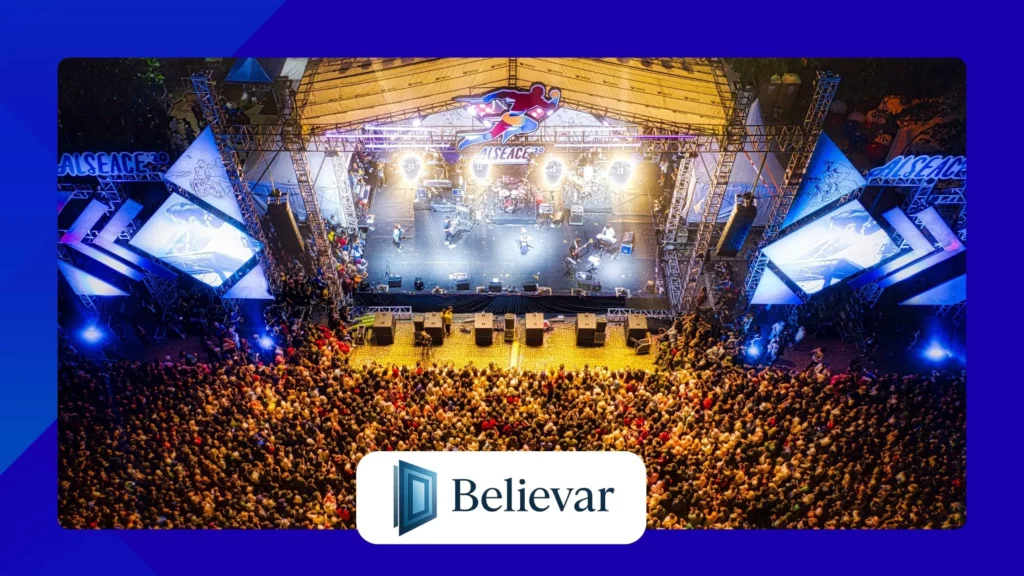
Virtual concert platforms are digital environments designed to host live performances over the internet, combining video streaming, audio delivery, and audience interaction into a cohesive experience. They differ significantly from traditional video platforms due to their real-time nature.
At their core, these platforms rely on low-latency streaming technology, which minimizes delay between the performer and the audience. This creates a more immersive experience, closely replicating the feeling of being physically present at an event.
One common misunderstanding is that all streaming platforms offer the same experience, but differences in infrastructure lead to major variations in quality. Factors like server distribution and bandwidth optimization directly impact performance.
Another key element is interactive engagement tools, such as live chat, reactions, and virtual tipping systems. These features transform passive viewers into active participants, increasing emotional investment and retention.
From a creator’s perspective, the ability to monetize through ticketing, subscriptions, or sponsorships depends heavily on platform capabilities. Not all platforms support these models equally, which affects long-term sustainability.
Technical reliability also plays a crucial role in audience perception, as disruptions during a live event can damage credibility. Even minor glitches can lead viewers to abandon the stream entirely.
Ultimately, understanding the structure and limitations of these platforms helps creators make informed decisions. This foundation sets the stage for exploring why demand for virtual events has grown so rapidly.
Why Live Streaming Demand Exploded
The surge in live streaming popularity is not accidental, but rather the result of multiple converging factors that reshaped how audiences consume content globally. Convenience and accessibility sit at the center of this shift.
One of the primary drivers is the removal of geographic barriers, allowing anyone with internet access to attend events previously limited by location. This democratization of access expanded audience reach dramatically.
Additionally, cost efficiency plays a major role, as virtual events eliminate expenses related to travel, venue rental, and logistics. According to research from Statista, the global live streaming market has seen consistent growth driven by these advantages.
Another overlooked factor is changing audience behavior, where viewers increasingly prefer on-demand and flexible content formats. Live streaming platforms adapt by offering replays and hybrid viewing options.
The integration of social media ecosystems further accelerated adoption, as platforms like streaming services allow easy sharing and viral exposure. This amplifies reach beyond traditional marketing channels.
However, rapid growth also introduced saturation, making it harder for creators to stand out. This increased competition highlights the importance of quality production and strategic planning.
Understanding these demand drivers reveals why simply entering the space is not enough. Success depends on addressing deeper technical and experiential factors, which become clearer when examining common misconceptions.
+ Best Streaming Apps for Movies, Series, and Live TV
Common Misconceptions About Virtual Events
A widespread belief is that virtual events are easier to produce than physical ones, but this assumption often leads to underprepared creators and disappointing outcomes. The complexity simply shifts from logistics to technology and engagement.
One major misconception is that high-quality cameras alone guarantee success, when in reality audio quality and streaming stability are often more critical to viewer satisfaction. Poor sound can ruin even visually stunning performances.
Another misunderstanding involves audience behavior, where creators expect viewers to stay engaged without active participation. In digital environments, attention spans are shorter and require deliberate interaction strategies.
Many also assume that virtual events are inherently cheaper, ignoring hidden costs like platform subscriptions, technical staff, and marketing efforts. These factors can quickly add up if not planned carefully.
The idea that “more viewers equals more success” is also misleading, as engagement levels matter more than raw numbers. A smaller, highly interactive audience often delivers better results.
Additionally, creators frequently underestimate the importance of content pacing and structure, leading to streams that feel slow or unorganized. This reduces retention and overall impact.
Recognizing these misconceptions helps avoid common pitfalls. It also highlights why ignoring key elements can lead to real consequences for both creators and audiences.

Real Consequences of Poor Streaming Execution
When virtual events are poorly executed, the negative effects extend beyond a single performance and can influence long-term audience perception and brand reputation. First impressions are especially difficult to recover from in digital environments.
One immediate consequence is audience drop-off, where viewers leave within minutes due to buffering, lag, or unclear audio. According to insights from Cisco, network performance directly impacts user retention during live streams.
Another critical issue is the loss of credibility, as technical failures signal unprofessionalism. Even loyal audiences may hesitate to attend future events if their experience was frustrating.
Financial implications also arise, particularly for paid events, where dissatisfied viewers may request refunds or avoid future purchases. This undermines revenue stability and growth potential.
Poor execution also affects discoverability, as algorithms tend to prioritize content with higher engagement rates. Streams with low watch time struggle to gain visibility on most platforms.
Additionally, sponsors and partners may reconsider collaborations if the event fails to meet expectations. This limits future monetization opportunities and long-term partnerships.
These consequences illustrate why preparation and strategy are essential. Understanding how to avoid these pitfalls naturally leads to exploring practical solutions for better streaming outcomes.
+ Why Is Real Madrid the Most Popular Soccer Team of the World?
Key Features That Define High-Quality Platforms
Not all streaming platforms are created equal, and identifying the right features can significantly influence the success of a virtual concert or live event. Choosing the wrong platform often leads to avoidable limitations.
A crucial component is adaptive bitrate streaming, which automatically adjusts video quality based on the viewer’s internet speed. This ensures a smoother experience across different devices and connection types.
Another essential feature is scalability, allowing platforms to handle large audiences without performance degradation. Events that unexpectedly go viral require infrastructure that can expand in real time.
Security is also a major concern, particularly for paid events, where content protection mechanisms prevent unauthorized access and piracy. This safeguards both revenue and intellectual property.
Below is a comparison of key platform features and their practical impact:
| Feature | Basic Platforms | Advanced Platforms | Practical Impact |
|---|---|---|---|
| Streaming Quality | Fixed bitrate | Adaptive bitrate | Smoother viewing experience |
| Audience Capacity | Limited | Scalable | Handles large audiences |
| Monetization Options | Ads only | Tickets, subscriptions | Higher revenue flexibility |
| Interaction Tools | Minimal | Chat, polls, reactions | Increased engagement |
| Security | Basic | Advanced encryption | Protects content and revenue |
Another valuable feature is analytics and performance tracking, which helps creators understand viewer behavior and optimize future events. Without data, improvement becomes guesswork.
Integration with external tools, such as marketing platforms or ticketing systems, also enhances operational efficiency. This reduces manual workload and improves overall organization.
Selecting the right platform requires balancing these features with specific event goals. Once the technical foundation is established, attention shifts toward improving audience engagement strategies.
How to Increase Audience Engagement
Engagement is the defining factor that separates successful virtual events from forgettable ones, as it determines how long viewers stay and how they interact with the content being presented.
One effective approach is incorporating real-time interaction elements, such as live Q&A sessions or audience polls. These features create a sense of participation, making viewers feel involved rather than passive observers.
Another strategy involves structured content flow, where the event follows a clear progression with dynamic segments. This prevents monotony and maintains audience interest throughout the stream.
Personalization also plays a role, as tailoring content to specific audience segments increases relevance. Research from Harvard Business Review highlights how personalized experiences improve engagement across digital platforms.
Creators should also focus on visual and auditory consistency, ensuring that branding, sound levels, and transitions remain professional. Inconsistencies can distract viewers and reduce perceived quality.
Timing is another critical factor, as scheduling events when the target audience is most active can significantly improve attendance and participation rates. This requires understanding audience habits and time zones.
Finally, post-event engagement, such as follow-up content or highlights, helps extend the experience beyond the live stream. This builds stronger connections and encourages repeat attendance.
With engagement strategies in place, it becomes important to examine the mistakes that often undermine these efforts.
Common Mistakes Creators Should Avoid
Even well-planned virtual events can fail if certain common mistakes are not addressed early in the process. These errors often stem from overlooking critical details rather than lacking resources.
One frequent mistake is neglecting pre-event testing, which leads to avoidable technical issues during the live stream. Testing equipment, connections, and platform settings is essential for reliability.
Another issue is overloading the event with content, assuming that more material equals more value. In reality, excessive content can overwhelm viewers and reduce overall engagement.
Creators also tend to underestimate the importance of clear communication, both before and during the event. Confusing instructions or unclear schedules can frustrate audiences and decrease participation.
A lack of backup plans is another critical oversight, as technical failures are always a possibility. Having contingency measures in place ensures continuity even when problems arise.
Additionally, ignoring audience feedback limits improvement, as valuable insights are lost. Feedback helps identify what worked and what needs adjustment for future events.
Avoiding these mistakes improves overall execution and creates a more professional experience. This naturally leads to understanding how the industry is evolving and what the future holds.
The Future of Virtual Concert Experiences
The evolution of virtual concerts is moving toward more immersive and interactive formats, driven by advances in technology and changing audience expectations. The future will likely blend physical and digital experiences seamlessly.
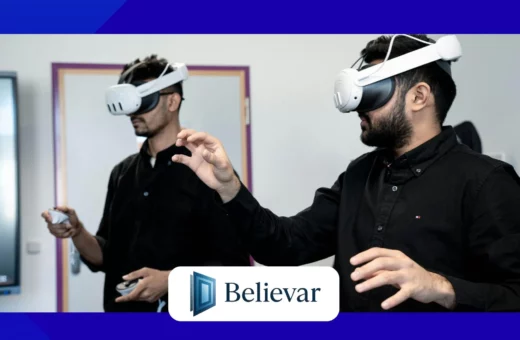
One emerging trend is the use of virtual reality environments, where audiences can attend concerts in fully immersive digital spaces. This creates a sense of presence that traditional streaming cannot replicate.
Another development involves augmented reality enhancements, allowing viewers to interact with visual elements layered over live performances. This adds a new dimension to storytelling and engagement.
Blockchain technology is also gaining attention for its potential in secure digital ticketing and ownership, reducing fraud and enabling new monetization models such as digital collectibles.
Artificial intelligence is being used to personalize content delivery, adapting experiences based on viewer preferences and behavior. This could redefine how audiences interact with live events.
As technology advances, expectations will continue to rise, making quality and innovation even more critical. Creators who adapt early will have a significant advantage in this evolving landscape.
Understanding these trends prepares both creators and audiences for what comes next. To address remaining uncertainties, it is helpful to explore some frequently asked questions.
Frequently Asked Questions (FAQ)
What is a virtual concert platform?
It is a digital system that allows artists and organizers to stream live performances to audiences over the internet, often including interactive features and monetization options.
Do virtual concerts require expensive equipment?
Not necessarily, but investing in good audio and stable internet is essential. High-end equipment improves quality, but strategic setup matters more than cost alone.
How do creators make money from live streaming?
Revenue can come from ticket sales, subscriptions, donations, sponsorships, or advertising, depending on the platform and audience engagement level.
Why do some live streams lag or buffer?
This usually happens due to poor internet connection, server limitations, or lack of adaptive streaming technology, all of which affect performance.
Are virtual events replacing physical concerts?
They are not replacing them entirely, but rather complementing traditional events by expanding reach and offering hybrid experiences.
What is the most important factor for success?
A combination of reliable technology, engaging content, and audience interaction is essential for creating a successful virtual event.
Can small creators succeed in this space?
Yes, smaller creators can succeed by focusing on niche audiences and building strong engagement rather than relying solely on large viewer numbers.
Conclusion: Building Meaningful Digital Experiences
Virtual concert and live event streaming platforms are not just temporary solutions, but a fundamental shift in how people connect with entertainment and shared experiences. Their impact continues to grow as technology evolves.
Success in this space requires more than technical setup, involving a deep understanding of audience behavior, platform capabilities, and content strategy. Each element plays a role in shaping the final experience.
By avoiding common mistakes and focusing on engagement, creators can build events that feel meaningful and memorable. This strengthens trust and encourages long-term audience relationships.
As the industry continues to develop, those who invest in learning and adapting will be better positioned to succeed. The opportunity lies not just in streaming content, but in creating experiences that truly resonate.
+ Interactive Storytelling and Choose-Your-Own-Adventure Apps