
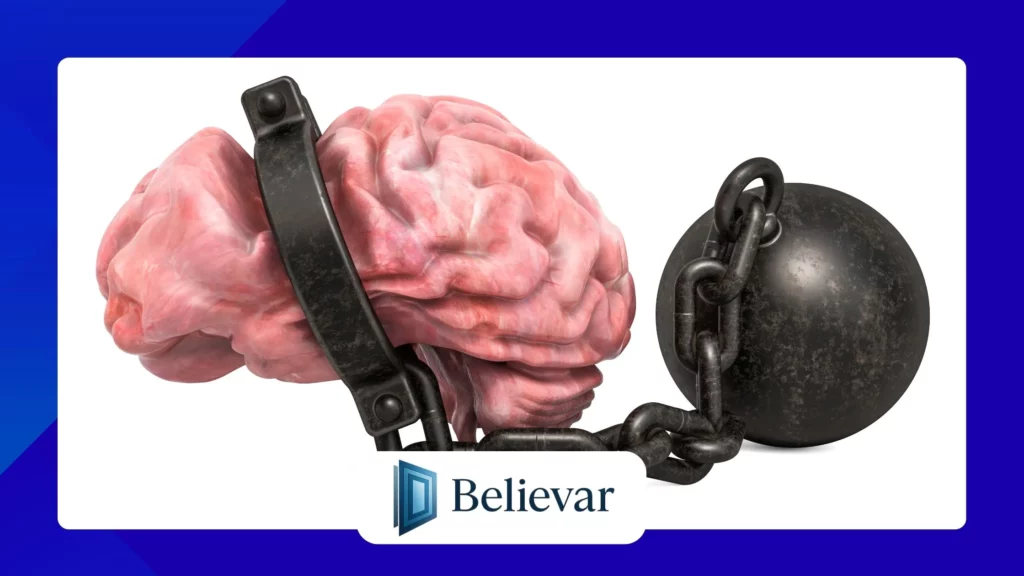
The human brain remains one of the most complex systems ever studied, yet many of its behaviors still puzzle researchers today. Despite centuries of research, fundamental questions about how it truly works remain unanswered and deeply intriguing.
For something that controls every thought, emotion, and action, the brain often behaves in ways that seem contradictory or even irrational. These inconsistencies are not flaws, but clues pointing to deeper mechanisms scientists are still trying to decode.
Many discoveries about the brain have revealed patterns, but just as many have uncovered new mysteries. Each answer often leads to more questions, expanding our understanding while simultaneously highlighting how much remains unknown.
What makes the brain particularly fascinating is how it can feel familiar and mysterious at the same time. You experience it constantly, yet you rarely notice the strange processes happening beneath conscious awareness.
Exploring these unusual facts is not just about curiosity. It helps you better understand your own behavior, decisions, and limitations, creating a more realistic perspective on how your mind truly operates.
Why the Brain Often Works Against Itself
One of the most surprising aspects of the brain is how frequently it seems to contradict its own goals. This happens because different regions prioritize different functions, creating internal competition rather than perfect coordination.
For example, the limbic system reacts quickly to threats and rewards, while the prefrontal cortex focuses on long-term planning. When these systems conflict, impulsive decisions can override logical thinking.
This explains why people often act against their own interests, such as procrastinating or making unhealthy choices. The brain is not designed for perfection, but for survival in unpredictable environments.
Another factor is energy efficiency. The brain consumes significant energy, so it tends to favor shortcuts and habits rather than deliberate analysis, even when those shortcuts lead to poor decisions.
The consequence is a constant tension between automatic behavior and conscious control. Understanding this dynamic helps explain why self-discipline is difficult and why change requires consistent effort.
Recognizing that your brain is not always aligned with your goals can reduce frustration. Instead of assuming failure is personal, you begin to see it as a natural result of competing internal systems.
This insight becomes especially important as we explore other strange behaviors, many of which stem from the same underlying conflict between efficiency and accuracy.
The Brain Can Create Memories That Never Happened
Memory is often treated as a reliable record of the past, but research shows it is far more flexible and error-prone than most people realize. This phenomenon is known as false memory formation.
Instead of storing exact recordings, the brain reconstructs memories each time they are recalled. This process introduces small changes, which can accumulate and eventually alter the original event significantly.
This explains why eyewitness testimonies can be unreliable. People genuinely believe their recollections, even when those memories have been unintentionally distorted.
The cause lies in the brain’s need for coherence. It fills gaps with plausible details, prioritizing a complete narrative over factual accuracy.
The implication is significant in everyday life. Misremembered conversations or events can affect relationships, decisions, and even legal outcomes.
Understanding this limitation encourages a more cautious approach to memory. Instead of treating it as absolute truth, you begin to see it as a dynamic interpretation influenced by multiple factors.
+ The Science Behind Why Old Phones Feel Slower Even After a Reset
Your Brain Is More Active When You Rest
It may seem logical that the brain becomes less active during rest, but the opposite is often true. During quiet moments, the brain activates what is known as the default mode network.
This network is responsible for internal thoughts such as reflection, imagination, and planning. It becomes particularly active when you are not focused on external tasks.
Researchers from institutions like the National Institutes of Health have found that this activity plays a crucial role in organizing information and consolidating experiences.
The cause of this increased activity is the brain’s need to process and integrate information gathered throughout the day. Without this phase, learning and emotional regulation would be less effective.
The effect is that rest becomes an essential part of productivity. Ignoring it can lead to cognitive fatigue, reduced creativity, and impaired decision-making.
Many people misunderstand rest as inactivity, when it is actually a different type of mental work. This misunderstanding often leads to burnout and decreased performance over time.
By allowing time for mental rest, you support processes that are invisible but critical. This insight naturally leads to a deeper question about how the brain balances efficiency and complexity.
+ Why Some Photos Can Be Recovered and Others Cannot
The Brain Uses Less Energy Than You Think
Despite its complexity, the brain operates on a surprisingly small amount of energy. On average, it uses about 20 percent of the body’s total energy, which is efficient considering its capabilities.
This efficiency is achieved through neural optimization, where frequently used pathways become faster and require less effort over time. This process is the foundation of habits and skill development.
The brain prioritizes efficiency over accuracy in many situations. This explains why it relies on assumptions and patterns, sometimes leading to cognitive biases.
Below is a comparison of how the brain balances efficiency and accuracy:
| Function | Efficient Mode | Accurate Mode |
|---|---|---|
| Decision-making | Fast, automatic | Slow, deliberate |
| Memory recall | Reconstructed | Verified |
| Learning | Repetition-based | Analytical |
| Attention | Selective | Comprehensive |
The cause of these trade-offs is limited resources. The brain cannot process everything in detail, so it filters information to conserve energy.
The implication is that mistakes are not failures but byproducts of an efficient system. Recognizing this helps you design better habits and environments that support accurate thinking when needed.
Understanding this balance prepares you to explore even more unusual brain behaviors, especially those related to perception and reality.
Perception Is Not the Same as Reality
What you perceive is not a direct reflection of the external world, but a constructed version shaped by the brain. This process is known as predictive processing.
The brain constantly makes predictions about incoming sensory information and adjusts those predictions based on feedback. This allows for faster interpretation but introduces potential distortions.
This explains optical illusions and why two people can experience the same situation differently. Each brain interprets information based on prior knowledge and expectations.
Research from sources like Stanford University neuroscience studies highlights how perception is influenced by context, emotion, and attention.
The cause of this phenomenon is the brain’s need to process information quickly. Instead of analyzing every detail, it fills in gaps using past experiences.
The consequence is that reality becomes subjective. This can lead to misunderstandings, biases, and incorrect assumptions in everyday interactions.
Recognizing that perception is constructed encourages critical thinking. It helps you question initial impressions and seek additional information before forming conclusions.
The Brain Can Rewire Itself Throughout Life
For many years, scientists believed the brain stopped developing after a certain age. However, research has shown that neuroplasticity allows the brain to change and adapt continuously.
This means new connections can form, and existing ones can strengthen or weaken based on experience. Learning, practice, and environment all play a role in shaping these changes.
The cause of neuroplasticity lies in the brain’s ability to reorganize itself in response to challenges. This adaptability is essential for recovery from injuries and acquiring new skills.
However, plasticity works both ways. Negative habits and repeated behaviors can also reinforce unwanted patterns, making them harder to change over time.
Practical applications include learning new languages, improving cognitive skills, and recovering from setbacks. The brain responds to consistent effort, even in adulthood.
A useful approach to leverage neuroplasticity includes:
- Practicing skills regularly
- Challenging existing habits
- Exposing yourself to new environments
Understanding this ability shifts your perspective on personal growth. It reinforces the idea that change is possible, but it requires deliberate and sustained effort.

FAQ: Common Questions About the Human Brain
Why is the brain so difficult to understand?
The brain is incredibly complex, with billions of neurons interacting in dynamic ways, making it challenging to study without oversimplifying its functions.
Can the brain really create false memories?
Yes, memory is reconstructive, meaning the brain can alter details over time, especially under influence from suggestion or emotional experiences.
What is the default mode network?
It is a system of brain regions active during rest, responsible for internal thinking, reflection, and memory processing.
Why do people make irrational decisions?
Different brain systems compete, with emotional responses sometimes overriding logical reasoning, especially under stress or time pressure.
Is the brain always active?
Yes, even during sleep or rest, the brain continues processing information, regulating functions, and consolidating memories.
Can adults still change their brain structure?
Yes, neuroplasticity allows the brain to adapt and form new connections throughout life, though the process may be slower than in childhood.
Why do perceptions differ between individuals?
Perception is shaped by past experiences, expectations, and context, leading each person to interpret reality slightly differently.
Conclusion: Embracing the Mystery of the Mind
The human brain is not just a tool for thinking, but a constantly evolving system shaped by experience, biology, and environment. Its strange behaviors are not flaws, but reflections of its complexity.
By understanding these unusual facts, you gain a more realistic view of your own thoughts and actions. This awareness reduces frustration and helps you approach challenges with greater clarity.
Rather than expecting perfect logic or consistency, you begin to recognize patterns and influences that shape your decisions. This shift leads to more intentional behavior and better long-term outcomes.
The mystery of the brain is far from solved, but that uncertainty is part of what makes it so fascinating. Each discovery adds depth to our understanding while reminding us how much remains to be explored.
Continuing to learn about the brain is not just an academic exercise. It is a practical way to improve how you think, learn, and interact with the world around you.
+ Unusual Natural Phenomena Around the World That Seem Almost Unreal